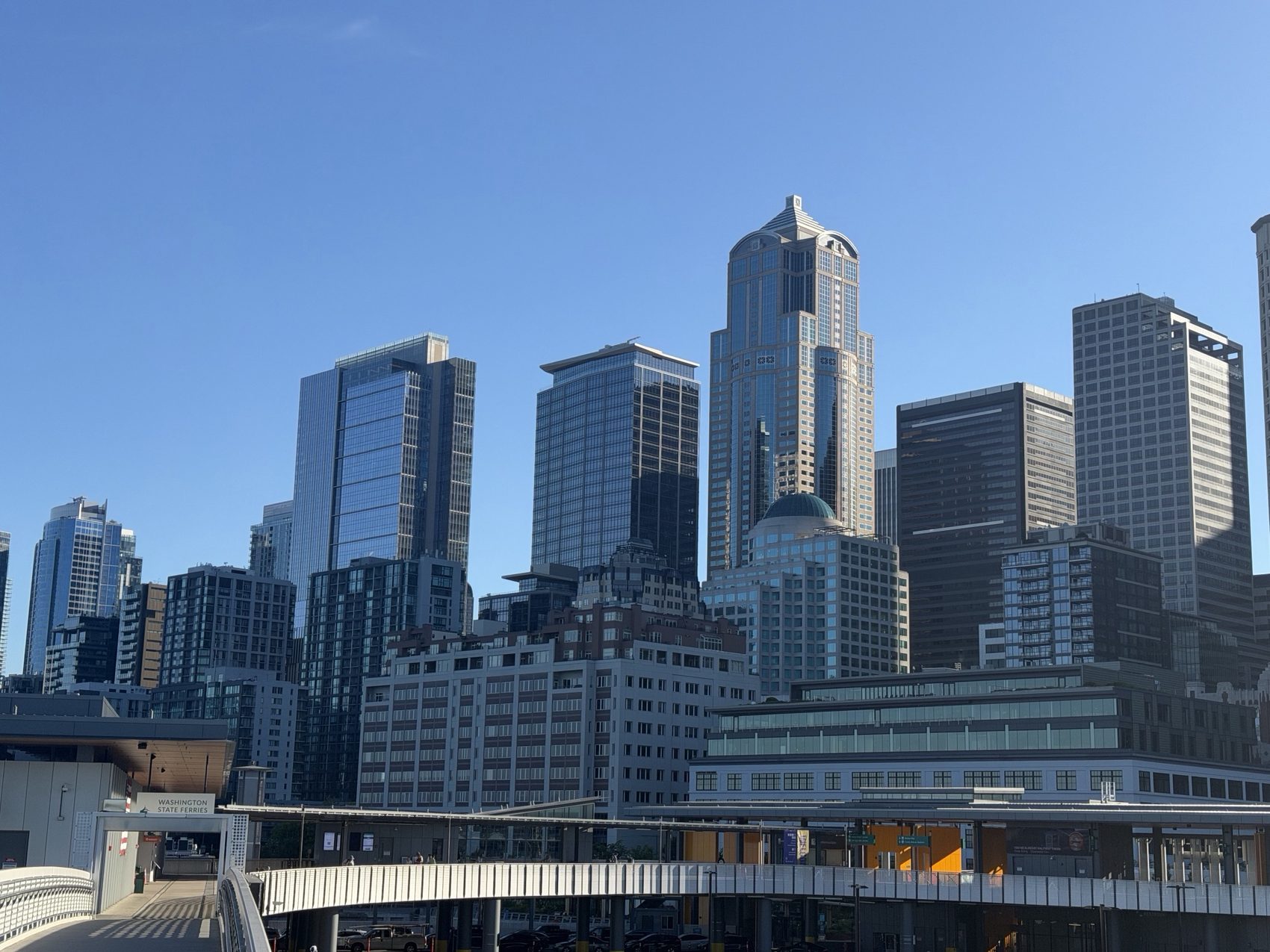
I am asked this often enough that I have stopped improvising an answer. There is a route, and it has been refined over a good many visitors.
Begin in Pioneer Square
Start the morning at Argentum Bakery and Coffee in Pioneer Square. The coffee is excellent and the pastries are better than they need to be, which in this city is a higher bar than it sounds.
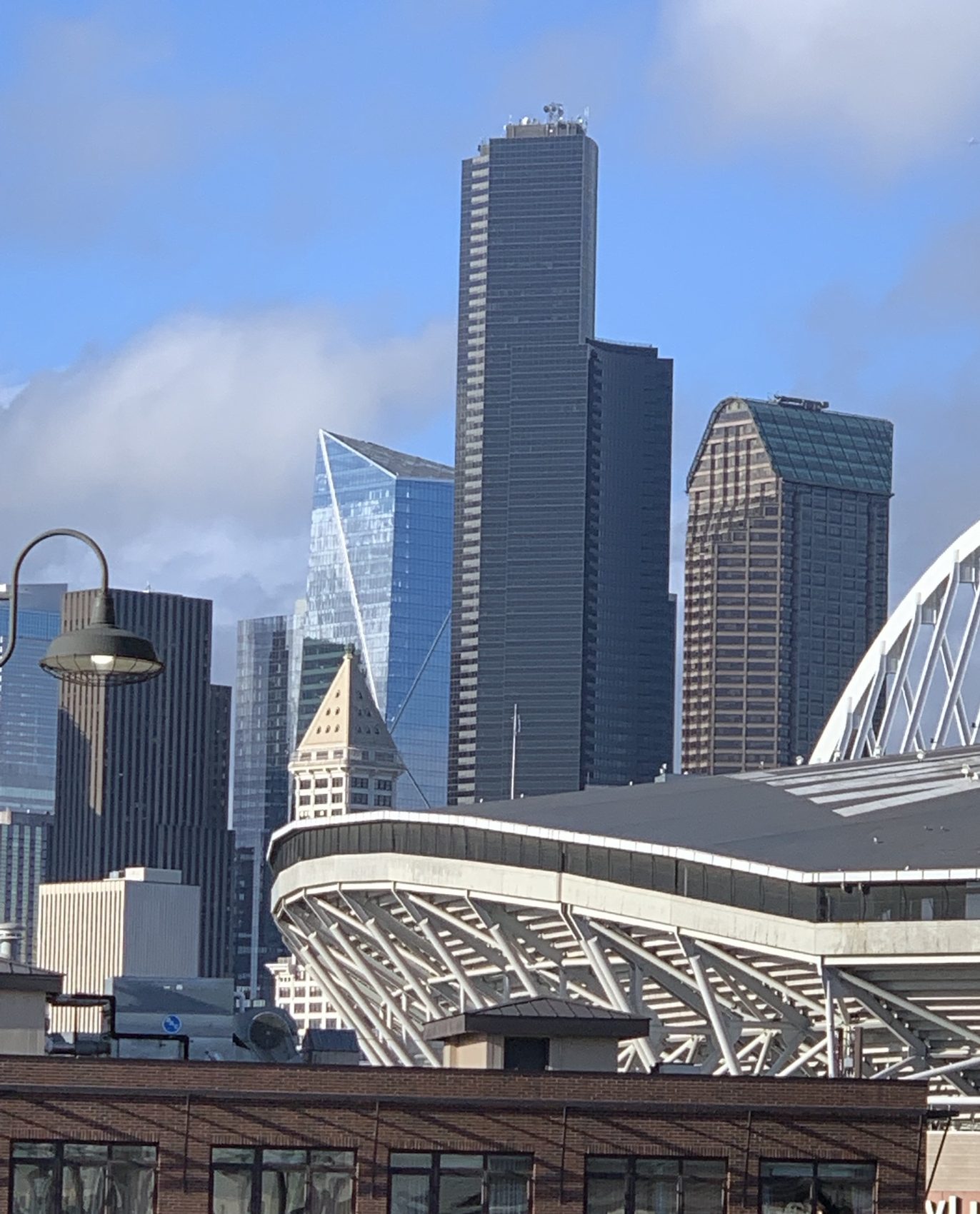
Pioneer Square is also where I send people for dinner, and it is the recommendation that surprises them most. Pass d Jollof serves Nigerian and West African food and is widely considered the best West African restaurant on the West Coast. Most visitors arrive in Seattle with a mental list of salmon and oysters. This is the meal they end up talking about on the plane home.
Pike Place Market
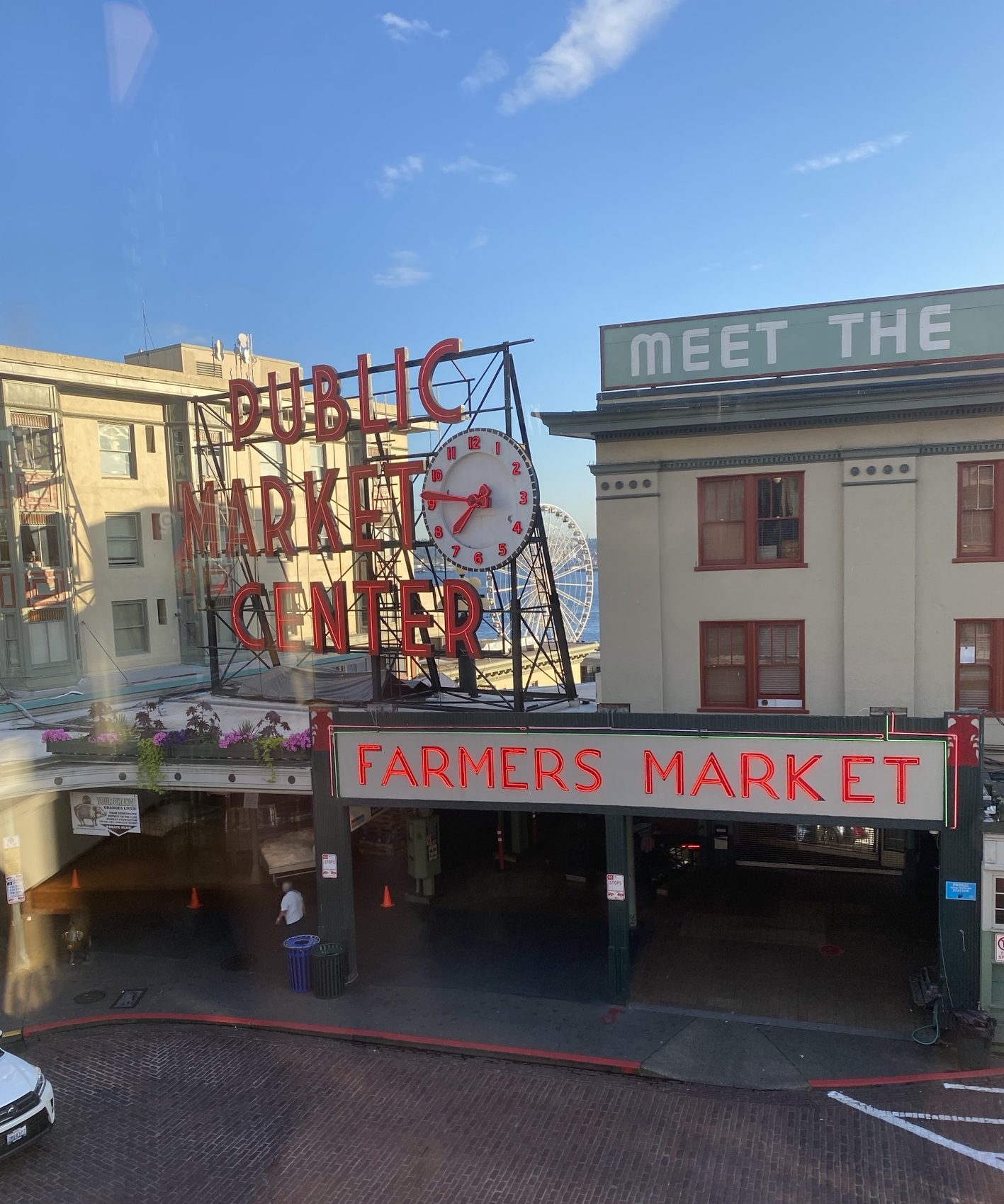
Pike Place is unavoidable and should be. The fish throwing is the thing everyone has seen on a screen, and watching it in person — the heft of the salmon, the timing of the catch — is a genuinely Seattle moment that survives its own fame.
But the market is far larger than its most photographed corner. Local vendors run deep through it, selling honey, meat, baked goods, perfume and fragrance, and a good deal besides. Go to Post Alley. Work the nooks and crannies. The market repays anyone willing to walk past the first thing they recognise.
Down to the waterfront
From the market, walk down to the water.
The waterfront has been reimagined in a renovation running to several hundred million dollars, and the result is wide open sidewalks, rebuilt piers, and a stretch of city no longer severed from itself. For decades an elevated highway stood between downtown and the harbour. Once the viaduct came down and the traffic went into a tunnel, the two halves became one place.
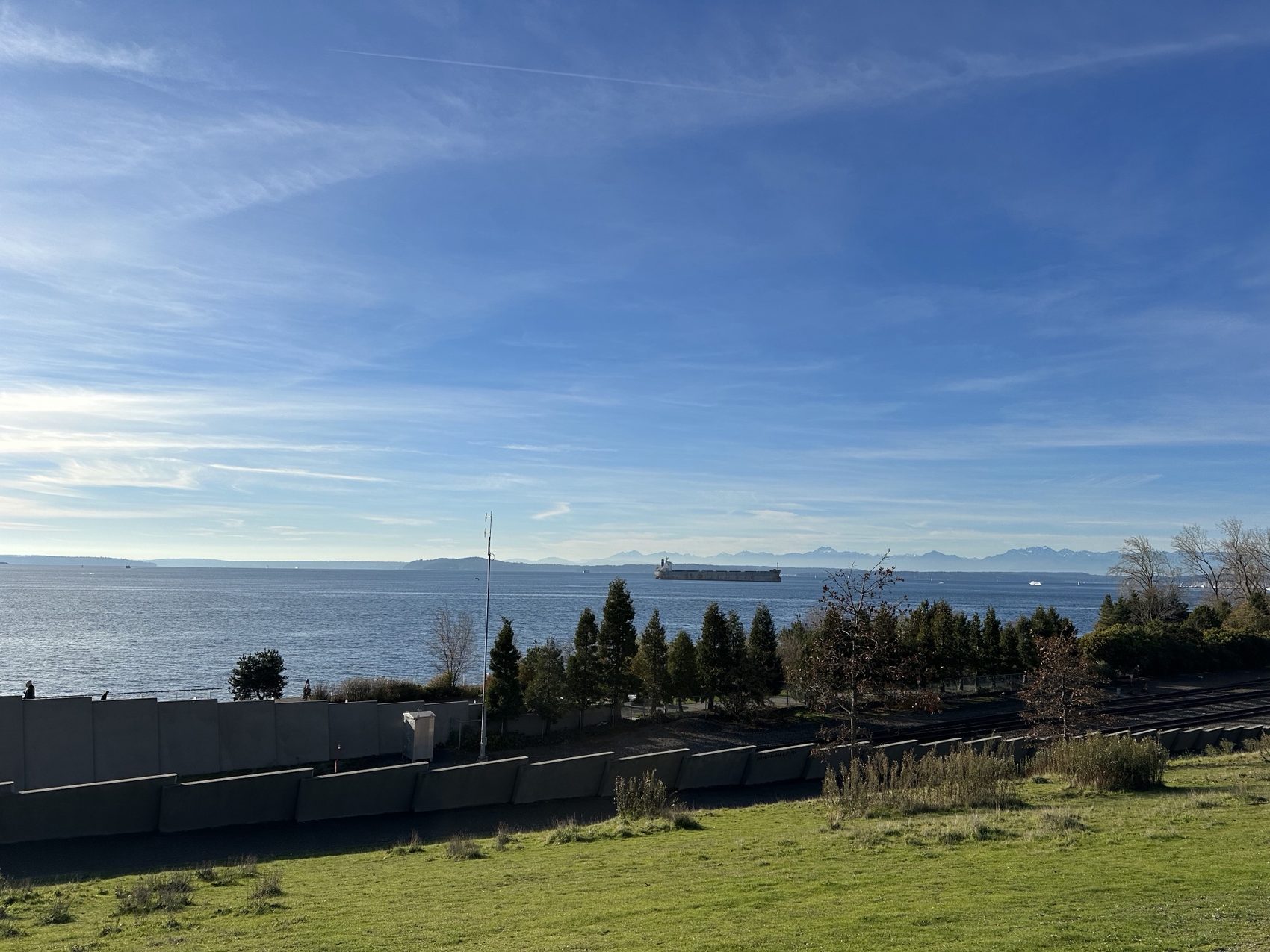
If a visitor last came to Seattle a decade ago, this is the part of the city they will not recognise.
What I skip
The downtown Ferris wheel. It is a needless attraction and the line is longer than anything at the top of it can justify. This city hands out better views for free, several of which appear below.
Discovery Park
Out in Magnolia sits Discovery Park, and most visitors come back from it astonished that it exists at all.
It was a military installation during the Second World War. What remains are old trails, beautiful ones, that run down through the trees to the shore, where at low tide you can walk out onto the flats. There are bluffs with long views over the passing boat traffic. It is among the finest places in Seattle to take in both the city and genuine wilderness at once, and it sits less than ten minutes from downtown.
The Space Needle, and what waits at the bottom
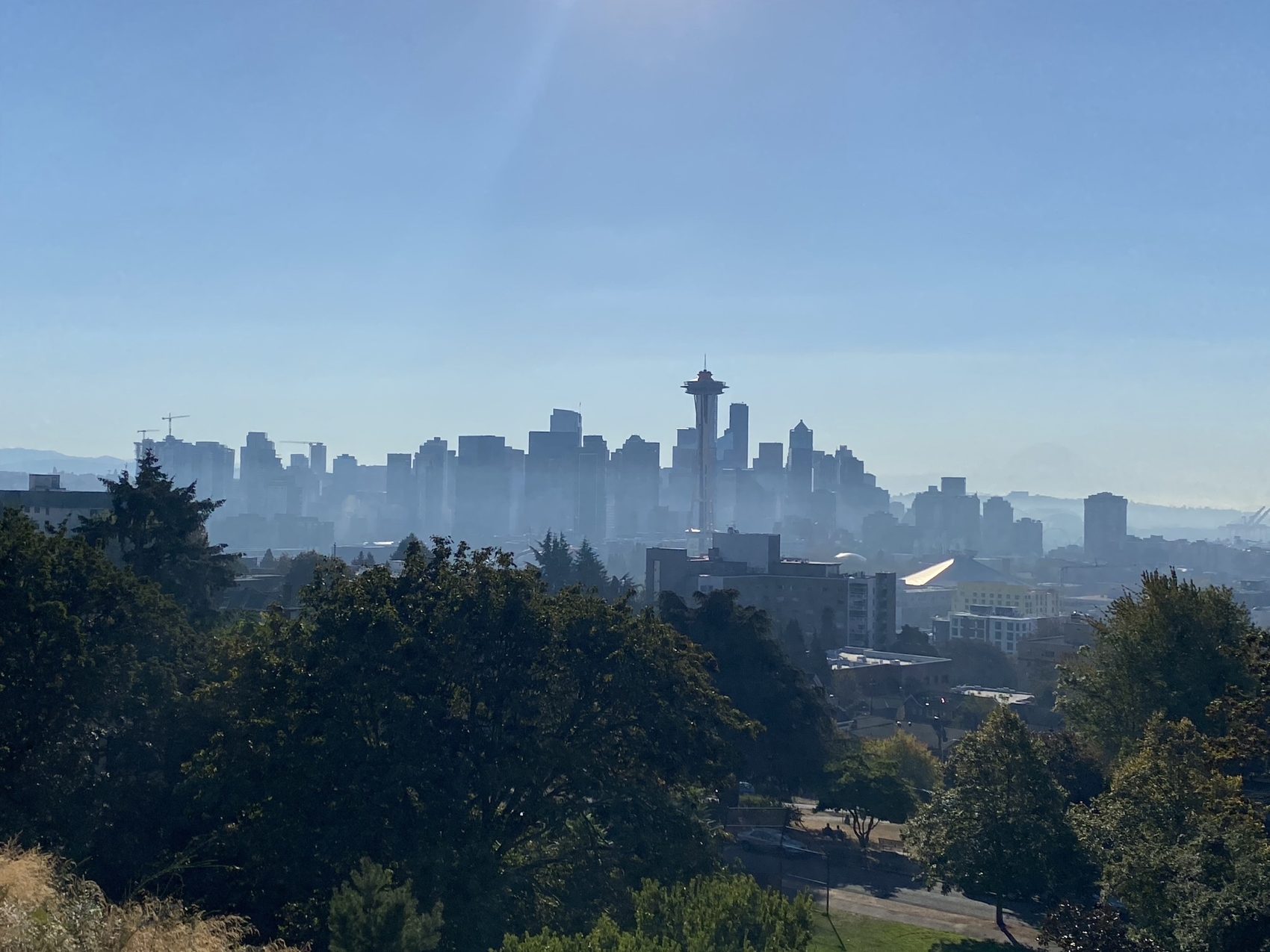
The Space Needle is the city's signature, and the observation deck earns the trip up. The vantage over Puget Sound and the skyline is the one every visitor wants, and the photographs justify themselves.
When the elevator brings you back down, do not walk past Chihuly Garden and Glass at its foot. Dale Chihuly is a Pacific Northwest artist who took glassblowing to worldwide acclaim, and the exhibition holds hundreds of his works. It is the most frequently missed thing in the city, largely because people assume the Needle was the point and the rest is a gift shop.
Cross the lake
Take the ten-minute drive east across Lake Washington on the 520 bridge.
The 520 is the longest floating bridge in the world. It rests on the water rather than spanning it, and knowing that while you are driving across is a small and specific pleasure that belongs entirely to this city.
Dinner in Bellevue
Once you are across, go to Carmine's — the best Italian in Bellevue, sitting directly opposite Bellevue Downtown Park. Order the linguine alla vongole, then walk a loop of the park afterwards, which is the civilised way to settle a plate of pasta.
The rain, which everyone gets wrong
Here is what visitors get wrong before they land.
A great many American cities receive more total precipitation than Seattle does. The difference is in the delivery. New York or Chicago will drop an inch of rain in an hour. Seattle spreads a fraction of an inch across an entire day. It is drizzle, and it is a fundamentally different thing to live under than what most people arrive braced for.
The real variable is not water but light. Come in winter and you may find yourself driving with headlights on in the middle of the afternoon. Come between May and September and the weather is reliably gorgeous and mild, and there are few better places on earth to be standing.
That is the route: the things people come expecting, the one thing I would tell them to skip, and two or three places they would never have found alone.